The Weston Mill Project
History of the Mill

The mill was key to settling the area and shaping its growth. Both a both a grist mill and sawmill, it became a community hub for news, politics, and social life. A store, post office, and church later reinforced its role at the heart of the settlement.
Battle of Van Neste's Mill

General George Washington, in his letter to Congress dated Morristown January 22, 1777 gives this account of the engagement:
“My last to you was on the 20th inst., since that I have the pleasure to inform you that General Dickinson, with about 400 militia, has defeated a foraging party of the enemy, of an equal number and has taken 40 wagons, 100 horses (most of the English draft breed), and a number of sheep and cattle which they had collected. The enemy retreated with great precipitation, so much so that General Dickinson had only an opportunity of taking nine prisoners. They were observed to carry off a great many dead and wounded in light wagons.”
Maps

Running a holiday sale or weekly special? Definitely promote it here to get customers excited about getting a sweet deal.
Remembering Wilbur Smith
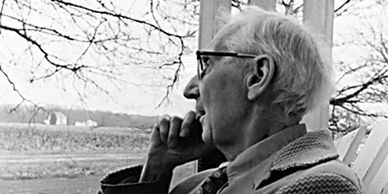
Have you opened a new location, redesigned your shop, or added a new product or service? Don't keep it to yourself, let folks know.
State Historical Marker
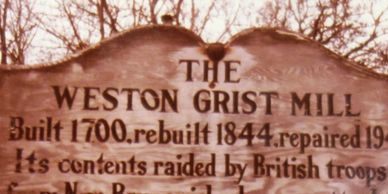
Customers have questions, you have answers. Display the most frequently asked questions, so everybody benefits.
Future Plans
If customers can’t find it, it doesn’t exist. Clearly list and describe the services you offer. Also, be sure to showcase a premium service.